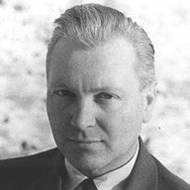
Miroslav Pelikan studied composition with Miroslav Krejci and Emil Hlobil at Prague Conservatoire (1945-1950, graduated with String Quartet). In the same years he was taking piano lessons with Berta Kabelac, and after completing his studies he started a lifelong career as a music teacher contributing to the music production of his time. He wrote a considerable number of minor instrumental and vocal compositions (including instructive works such as Small Concert for three violins, Sonatina for violin and piano, or easy piano cycle Kdyz klavir hovori [The Piano Speaks]), but his compositional output includes also several major works of weighty content (e.g. Symphony for large orchestra). During the sixties Pelikan made his name as composer of programmatic music, together with his string quartet Udoli smutku [The Dale of Despondency] (inspired by Jan Zrzavy painting), and Tre movimenti per orchestra, these include also the Monumentum per Ioanne, a balladic rhapsody designed to commemorate a young Czech soldier who laid down his life fighting fascism.
Some of his works were awarded prizes in several competitions, Sonata for violoncello and piano was acclaimed as the best work performed at the Days of contemporary Music in Prague (2000).